
Technical notes
Optical fibre cables — Guidelines to the installation of optical fibre cabl
This document does not supersede the additional relevant standards and requirements applicable to certain hazardous environments, for example electricity supply and railways.
Handbook – Optical fibres, cables and systems
ITU-T has been active in the standardization of optical communications technology and the techniques for its optimal application within networks from the infancy of this industry. However, it is not always
Recommendation ITU-T L.100 (01/2024)
It includes specific criteria for attenuation, tensile strength, bending, crush, impact, freezing, and material compatibility tests. The document emphasizes adherence to international standards and agreements
Fiber Optic & Cable Standards Guide | FiberMania Standards
Published by the Telecommunications Industry Association (TIA), TIA-568.3-D sets the performance requirements and installation guidelines for optical fiber cabling systems, particularly in
ANSI/TIA-568.3-E: Optical Fiber Cabling and Components Standard
Scope: This Standard specifies performance, transmission, and test and measurement requirements for premises optical fiber cable, connectors, connecting hardware, and patch cords.
IEC/TR 62691
IEC TR 62691, which is a Technical Report, gives recommendations for handling and installing optical fibre cables on metropolitan communication networks.
FOA Standard For Installing Fiber Optic Cable Plants
This standard describes procedures for installing and testing cabling networks that use fiber optic cables and related components to carry signals for communications, security, control and similar purposes.
CableTransportationAndHandling Issue2 Aug 2023
Prior to paying off the cable, cut off all but one foot of the cable “tail” on the outside flange and leave it unsecured. Stop deployment when necessary and cut the cable "tail" when excessive
Optical Fiber Cable Optical Fiber Cable In
1. Recommendations for Fiber Optic Cable Installation 1.1 General recommendations for all installation and storage areas of cable (indoor/outdoor) Where reels are supplied with protective material fitted
Complete List of ISO/IEC Fiber Optic Cable Standards for Importers
We can customize the cable legend (printing) to include specific standards like “IEC 60332-1” or “ISO/IEC 11801 OM4”. This is highly recommended as it helps on-site inspectors verify compliance
Overview of optical fibres standardization
Readers of this document are encouraged to seek information on specific matters regarding Optical cables and components from the manufacturer or provider and to consider the Technical Standards
Standards Frequently Asked Questions | BICSI
800.24 Mechanical Execution of Work Communications circuits and equipment shall be installed in a neat and workmanlike manner. Cables installed exposed on the surface of ceilings and sidewalls
The FOA Reference For Fiber Optics-Installing Fiber Optic Cable
Fiber optic cables, like all communications cables, are sensitive to compressive or crushing loads. Cable ties used with many cables, especially when tightened with an installation tool, are harmful to fiber
Handling, Transportation and Storage procedure for Optical Fiber Cable
Fiber Optic cable is a valuable product and it can be damaged if not handled properly during transportation, storage and installation so proper handling of cable reels/drums decreases the
Optical Fiber Cable Optical Fiber Cable In
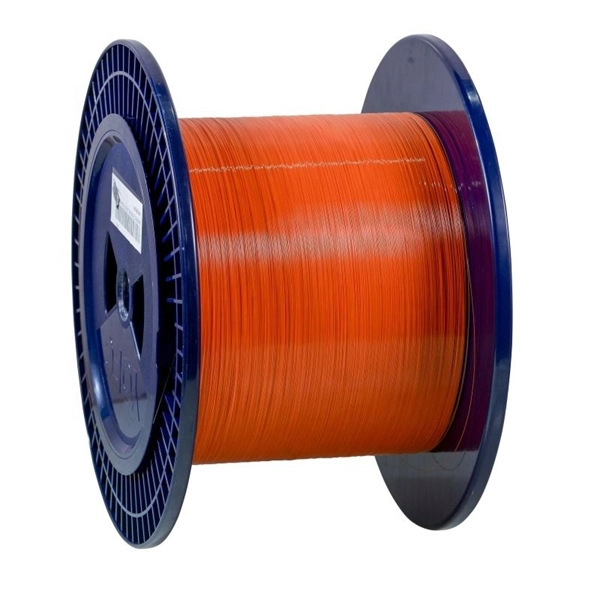
All Fiber Optic Cable reels should be stored upright Laying the reel on its side may cause damage to the reel flange and/or cause the cable layers to shift – This may cause cable to snag during de-reeling.
Recommendation ITU-T L.103 (08/2024)
This document outlines the recommendations for single-mode optical fiber cables used in telecommunication networks within buildings, focusing on their mechanical and environmental
The FOA Reference For Fiber Optics
The FOA charter is "To promote professionalism in fiber optics through education, certification and standards," and has been involved in these standards committees for decades, but finally decided to
Standards and Specifications Copper and Optical Fibre Cabling
2.3 Cabling Standard - Structured Cabling System (SCS) The Structured Cabling Solution shall be designed and installed to provide the CommScope Systimax Telecommunications infrastructure