
Technical notes
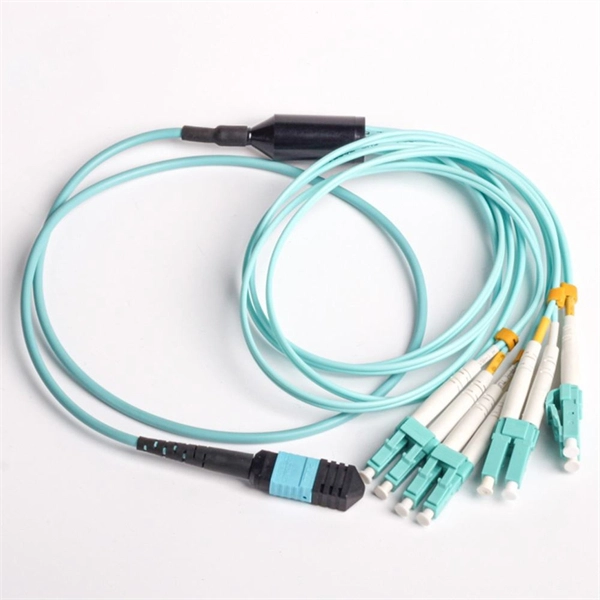
Fiber Patch Cables Datasheet
Fiber optic patch cables are ideal for supporting high speed telecommunication network fiber appli-cations. They are manufactured and tested in com-pliance with TIA 604 (FOCIS), IEC 61754 and
Fiber Optic Patch Cord Standards and Certifications
Understand key fiber optic patch cord standards and certifications including ISO/IEC, TIA, IEC, UL, CE, RoHS, and more. Learn how each affects
Standard Fiber Patch Cables Datasheet | FS
PDF file
Standard Fiber Patch Cables Datasheet
They have the characteristics of low insertion loss, high return loss, bending resistance, and strong stability, which fully meet the requirements of optical connection performance in harsh
Standard Fiber Patch Cable Datasheet
Standard Fiber Patch Cables This E2000 Fiber optic patch cables are ideal for supporting high speed telecommunication network fiber applications. They are manufactured and tested in compliance with
what are the international standards for fiber optic patch cord
In summary, these international standards play a crucial role in defining the specifications and best practices for fiber optic patch cords, ensuring they meet the necessary performance criteria while
ANSI/TIA-568.3-E: Optical Fiber Cabling and Components Standard
Scope: This Standard specifies performance, transmission, and test and measurement requirements for premises optical fiber cable, connectors, connecting hardware, and patch cords. Transition methods
Fiber Optic Standards & Testing Guide for Cables
This article provides a comprehensive overview of international standards governing fiber optic cables, patch cords, MPO/MTP data center solutions, FTTA assemblies, and connectors.
Standard Fiber Patch Cable Datasheet
Standard Fiber Patch Cables Datasheet For High-speed data center network equipments connections Designed for data center, enterprise, FTTx, LAN and WAN, CATV network, telecom network
Fiber Optic Patch Cords Guide | Types, Connectors
Explore fiber optic patch cords for telecom, data centers, and FTTH. From LC/SC to MPO/MTP and armored jumpers, ZION Communication offers
Fiber Optic Patch Cord Guide: Types, Connectors
Confused about fiber optic patch cords? Learn the differences between single mode and multimode, LC vs SC vs MPO connectors, and how to
Fiber Optic Cable Types Explained: Choosing the Right Fiber Cable
Fiber Patch Cable Types Fiber optic cables are widely used in structured cabling systems to connect network devices such as transceivers, switches, and patch panels. Each cable is typically terminated
Handbook – Optical fibres, cables and systems
The simultaneous availability of compact sources and of low-loss optical fibres led to a worldwide effort for developing optical fibre communication systems. The real research phase of fibre-optic
The Ultimate Guide to Fiber Optic Modules and Patch Cords: Standards
Introduction: Fiber optic technology is the backbone of modern high-speed communication networks, yet selecting the right modules and patch cords can be daunting. This guide demystifies fiber optic
Ultimate Guide to Fiber‑Optic Patch Cables: Types, Selection, and
Learn about fiber optic patch cables, their types, construction, applications, and how to choose the right one for your network needs.
Fiber Patch Cords
☆ All fiber surface parameters such as the apex offset, fiber height and radius of curvature comply to IEC standard. ☆ Besides attenuation and back reflection testing, cords are also checked by
Fiber Optic Patch Cord Installation & Maintenance Guide
Learn expert-recommended methods for installing and maintaining fiber patch cords to ensure optimal performance, compliance, and long-term reliability.
The Fiber Optic Association
Other groups may have fiber optic standards also: ANSI is the governing bodies for standards in the US, NIST provides primary standards, IEEE has standards for networks like Ethernet, IWCS has
ZIFONIC|Fiber Optic Patch Cord Procurement Guide
ZIFONIC''s guide to choosing fiber optic patch cords for data centers, telecom, and FTTH. Ensure high performance and reliability.
Related Video Reference
This video was associated with the source search result. Verify technical details against current product documentation and project requirements.